June 9, 2025
Eco-Friendly Scaffolding: Building a Greener Future
Sustainability is increasingly important in the construction industry, and scaffolding is no exception. Eco-friendly scaffolding practices help reduce environmental impact while maintaining safety and efficiency.
Use of recyclable materials
Many modern scaffolding systems are made from aluminum or steel alloys that can be recycled multiple times without losing strength. Choosing recyclable components reduces waste and conserves natural resources.
Modular design reduces waste
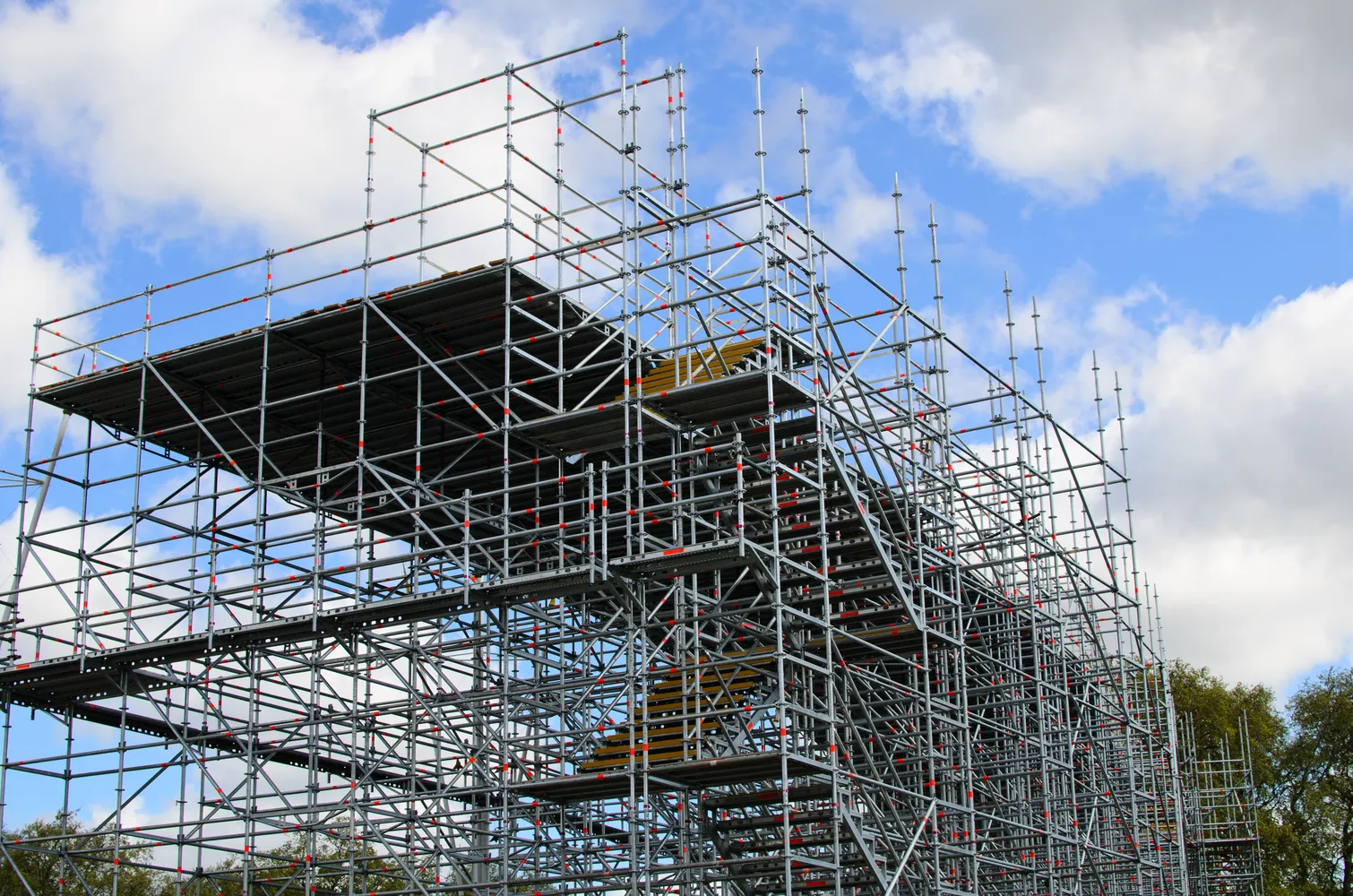
Modular scaffolding systems allow components to be reused and reconfigured for different projects, cutting down on the need to produce new materials and minimizing scrap.
Lightweight materials lower transport emissions
Lighter scaffolding parts mean less fuel consumption during transport. This reduces the carbon footprint associated with delivery and logistics.
Green site management
Implementing recycling programs for damaged parts and using eco-friendly coatings and finishes also contribute to greener operations.
Encouraging responsible disposal
End-of-life scaffolding materials should be disposed of responsibly, ensuring hazardous substances are managed properly and recycling opportunities maximized.
Adopting eco-friendly scaffolding solutions aligns your construction practices with global sustainability goals, benefiting both the environment and your company’s reputation.